Why Is Education for Sustainability Important?
Education for sustainability is no longer optional; it is essential. Today’s learners are growing up in a world shaped by climate change, resource scarcity, rapid urbanisation, and widening social inequities. To navigate and influence this landscape, young people need more than academic knowledge. They need to be able to think critically and systematically and have the confidence and know-how to take action on complex global issues.
Sustainability education helps students understand the interconnectedness of environmental, social, and economic systems. It teaches them to look beyond symptoms to root causes and empowers them to see themselves as active participants in shaping solutions. When done well, it equips young individuals with the mindset and competencies needed for active citizenship, such as empathy, compassion, collaboration and ethical decision-making.
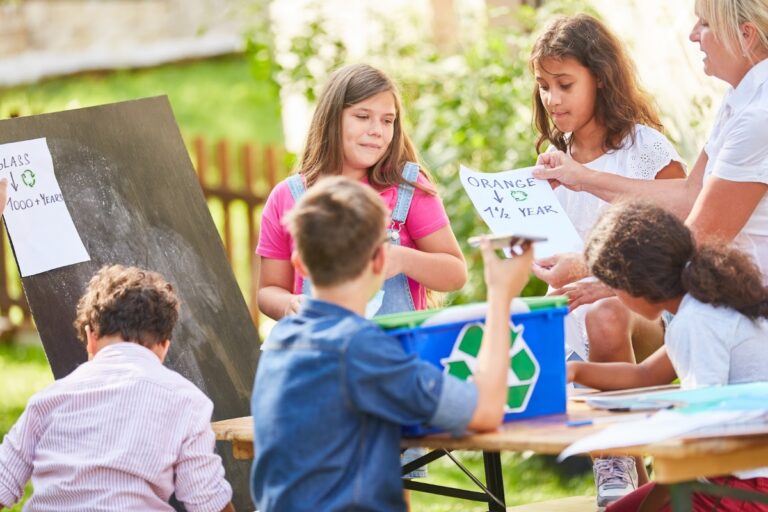
In schools, education for sustainability transforms learning environments into places where students practice agency, co-design projects, engage with community members, and establish partnerships for meaningful change. It strengthens community resilience, builds global awareness, and enables students to realise that their choices and actions matter. Most importantly, it prepares them for the future they will inherit and influence.
Partners for Change
At Orenda Learning, our core purpose is to empower youth and equip them with the knowledge, skills, qualities, and agency to drive positive change in their personal, local, and global communities.
That mission aligns perfectly with the values of The Alliance for Sustainable Schools (TASS), an international, non-profit network of 140 (and growing!) schools committed to accelerating the transition to a sustainable future through systems change.
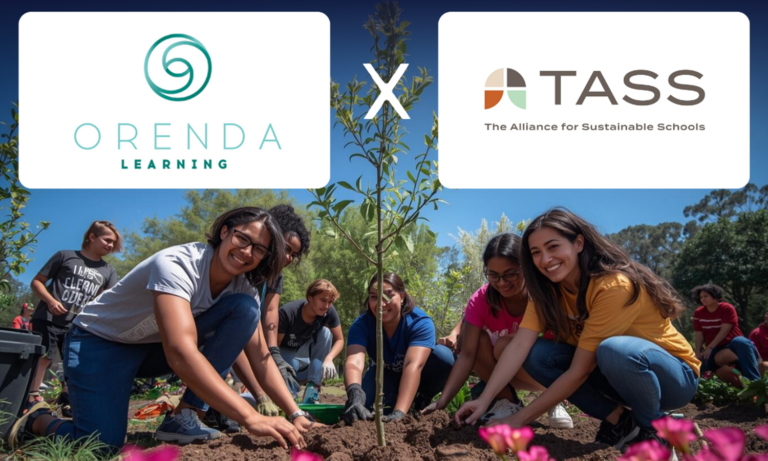
This strategic collaboration brings together two distinct, powerful pillars:
- TASS establishes the global network and structural framework, helping member schools embed sustainability across learning programs, the built environment, school food systems, and school transport – all of which are aligned with the 8 pledges of their Sustainable Schools Charter.
- Orenda Learning delivers the robust, action-oriented curriculum framework through Be The Change, transforming those pledges into daily student learning experiences, competencies, and real-world leadership.
Our Be The Change program offers structured learning pathways, real-world contexts, and frameworks that enable young people to engage directly with their communities and work towards the Sustainable Development Goals. Be The Change is separated into two parts: a Course and a Toolkit. The 11-lesson Course is a dynamic, interactive and engaging learning experience that prepares students for real-world action. Once students have completed the course, the Toolkit provides a series of guides and resources designed to support students in collaborating with others to lead community initiatives.
The curriculum is easily integrated into school learning programs, offering targeted tracks across two distinct age groups:
- Be The Change High School (Ages 14–18): Available globally since 2020 and currently in its 3rd optimised iteration.
- Be The Change Middle School (Ages 11–14): Specially designed to bridge classroom learning and real-world, sustainability-focused engagements –launching globally in September 2026.
As an approved TASS education for sustainability program, Be The Change directly enables member schools to meet their official pledge in the Sustainable Schools Charter:
“Develop practices within our schools that enable students to develop the knowledge, skills and competencies required to become sustainability stewards” (TASS, 2021).
Looking Ahead: Our Aspirations
Our partnership with TASS is more than a collaboration; it’s a commitment. We envision a future where:
- Every TASS member school has access to and delivers high-quality, youth-centred sustainability education;
- Students across continents grow not only as learners but as changemakers, passionate and equipped to address local and global challenges;
- Schools serve as exemplars in their communities for sustainable practices, from energy use and waste reduction to equitable, inclusive education.
This collaboration ensures that sustainability is not an add-on; it becomes a lived experience. It helps schools model the values they teach, and it helps young people learn in an environment where their actions meaningfully contribute to real-world change.